





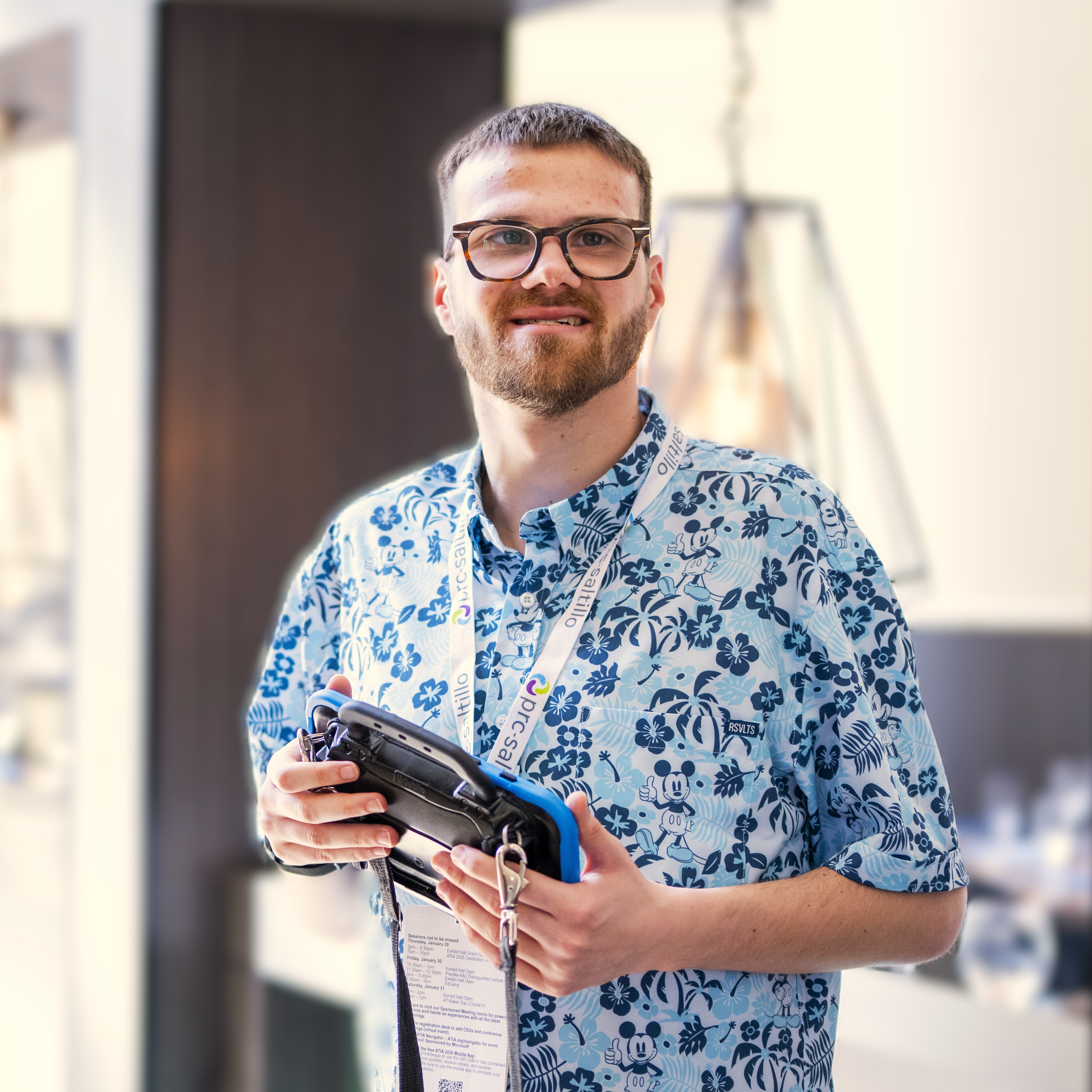
by Mateo Moreno, PRC-Saltillo Ambassador
I started using AAC when I was 4. I got my first device then. I was in preschool, about 3 years old, when I was assessed, and I tried an AAC device for the first time. I had been getting a lot of speech therapy, but my parents could tell I wanted to say a lot more than I could with my speech. I have apraxia and dysarthria. They could tell I was frustrated and had a lot to say. I knew what I wanted to say, but the words came out wrong. It was hard for people to understand me. I was always really outgoing and social, even as a little kid who was difficult to understand. Not being understood didn’t stop me from trying to be heard. But AAC made it a whole lot easier to be understood after I got the hang of it.
Value Wait Time
I'm often asked for one important piece of advice I would give to people working with individuals with AAC devices. The number one thing I would say is to wait. Wait a long time. Wait patiently. Tell teachers and friends to wait. Tell grandma to wait. Tell the server at the restaurant to wait. Everyone is always rushing us and we know when you're rushing us. We can tell if you are waiting patiently and are really interested in what we have to say. When we are rushed, it feels like what we have to say isn't important to you. But when you wait, when you give us the time we need to put together our message, we feel like we’re going to be heard. And everyone deserves to feel heard.
Offer Meaningful Communication Opportunities
When I was in kindergarten, my teacher, Mrs. Cheon, was worried that I didn't seem to want to use my device at school. I preferred to talk, or sign, but she noticed the other kids didn't always understand my speech or my gestures. She wanted to encourage me to use my device more, and be more comfortable talking with my device with my friends. She started what she called, Make Me Laugh Mateo Monday. Every Monday, at circle time, I told a new joke to the whole class. The other kids loved it, and they got used to waiting, then listening to me and my voice. I got more comfortable using my device with my friends. Plus, I had fun picking a new joke to program with my parents every weekend. It helped us all get more comfortable with AAC. It was great and it was a little thing that made a big difference.
Make AAC fun. Make talking fun. Don't let people think an AAC device is about work, or answering questions or getting tested. It’s not just for asking for things either. It's important that kids are inspired to use their devices to talk about what they enjoy talking about, not using it to say something they are expected to say or directed to answer. Help kids add slang, and cool expressions, and even swear words if their friends are saying those things. Model things like complaining, like complaining about the lunch menu, or homework or the dress code. Model making comments, asking questions and directing someone else. Don’t tell a communicator what to say. Believe it or not, that happened a lot to me. Let me give you an example. An adult might have wanted me to work on social skills. They’d pull me and another person together. And then they’d say something like, Mateo, tell Frank your name. Like, why would I need to do that? You just told Frank my name. It sounds ridiculous, doesn’t it? You’d be surprised how many times that happened to me.
Carry AAC Everywhere
Communication happens everywhere. That’s why children need access to their AAC everywhere. Teaching AAC doesn't come naturally. Everyone needs help. Families need help. I want to talk about AAC at home and what worked for me, especially when I was really little. My parents helped me communicate by talking with me a lot and listening to whatever I had to say. My big sister Madeline would probably tell you I was spoiled, but I was not a brat. At least I don't think I was. My parents would listen to me, and sometimes let me have things or do things because I talked about it using my device. Madeline figured that out. If she asked to go to the park, or order pizza for dinner, the answer might be no. So she would ask me to ask our mom or dad if we could go to a park, or order pizza. The answer would more likely be yes. She learned to work the system with my help. My family encouraged me to use my device that way. That's how I learned what I said was powerful. I wouldn't say I was spoiled. I would say that I felt heard.
My parents helped me to learn to use my device and learn language by using my device too. We talked on car rides a lot, when everyone was stuck in the car together. My parents would tell me that I had to use it on car rides because they couldn't look back to see my signs, where I was looking, or where I was pointing. My parents had to keep their eyes on the road. When I was learning, we talked a lot about things that interested me. The best way to get me excited to talk about something, to hang out and have conversation, was to talk about the stuff I love. I still like to talk about the stuff I love. I like to tell people about my interests because I enjoy it, plus it lets people know who I am and it lets me know if we have things in common.
At home, I always know where my device is. It’s charged on a cabinet in the center of our house. It makes it easy to grab it when I leave the house. I made it a habit to grab it. AAC is for everywhere, just like communication happens everywhere.
It’s important to respect and listen to all the ways people communicate. I had this teacher who always told me to use my device. He’d ask me how I am, so I would give him a thumbs up and he would tell me to use my device. He’d say hello, so I’d smile and wave back and he would tell me to use my device. Why are these kinds of communication not acceptable just because I use AAC? I mean, it was so frustrating especially when I was also carrying books and just trying to get to my next class. We need to respect and value all the ways people communicate. That means they get to choose what they say and how they say it.
People often ask me when my communication took off, or when I really accepted that I was an AAC user. I think that was in middle school, which is when I began to first experience real inclusion after school. I was a member of the cross country team. My teammates were including me in real ways. They invited me to run with them. They cheered for me when I ran. They were interested in my race times. They sat next to me on long bus rides to meets. That inclusion that I experienced after school spilled over into my school day. That was real inclusion, like when my friends invited me to sit with them at lunch, or asked me to work on a group project together. Inclusion doesn’t happen because an adult sits two students next to each other. It happens when everyone participates together, fully. It happens when everyone feels like they belong. Successful communication is about two people feeling heard and understood. It’s not about grammatically correct sentences, or how many words an AAC user combines to create a message. What matters is feeling heard.
There are no comments yet. Be the first to post!
You must be logged in to post.
Making AAC Work